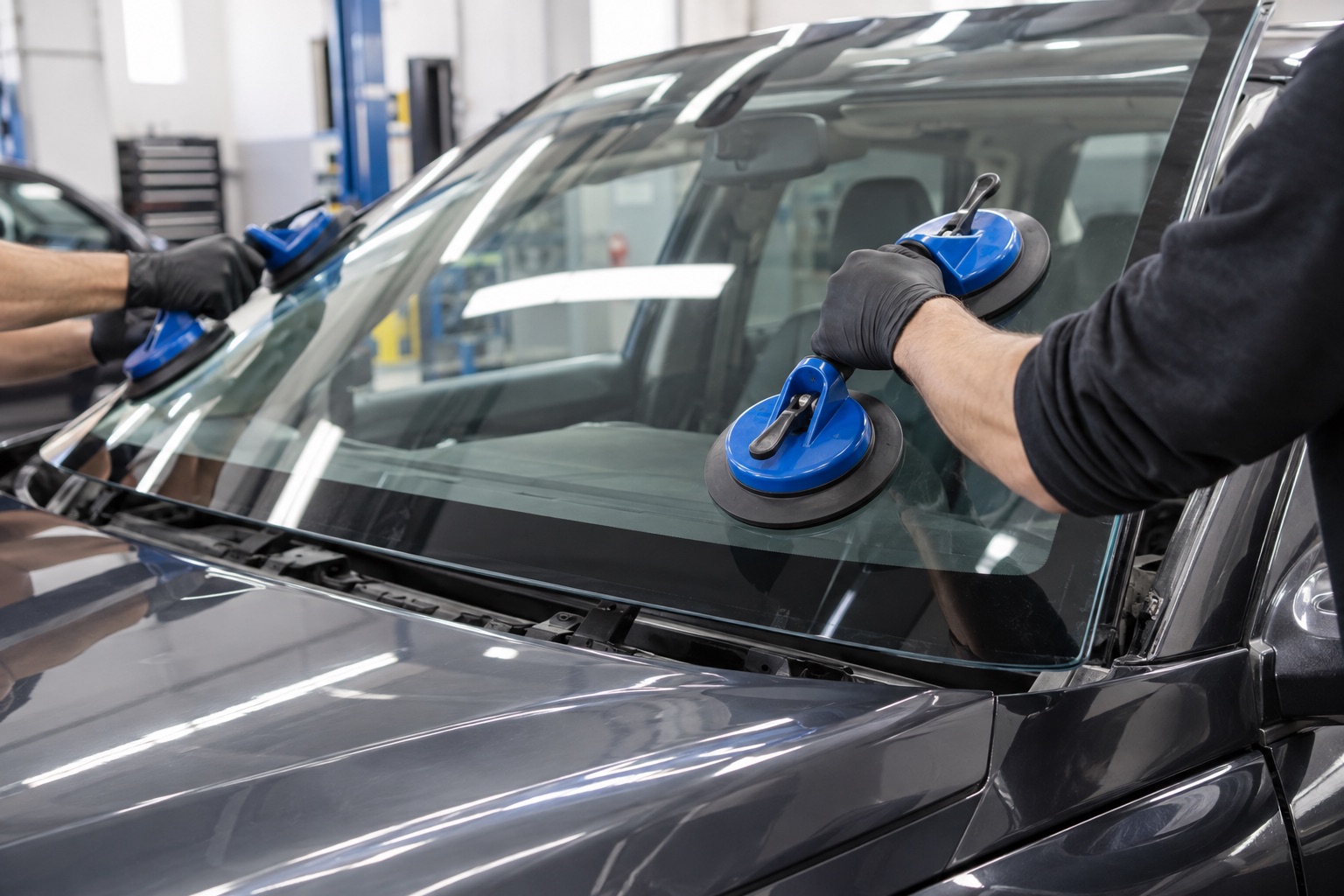
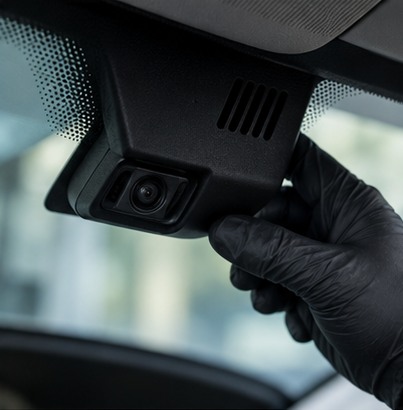
Cracked or shattered windshield in Lawton? We replace windshields on cars, trucks and SUVs for drivers in Lawton, Fort Sill, Cache, Geronimo and Medicine Park, matching the glass to your vehicle, including windshields with cameras and rain sensors.
Share the vehicle details and describe which glass needs attention.
When does a windshield need replacing?
A small chip or a short crack can often be repaired. Replacement is usually the better choice when:
The crack is longer than a dollar bill, or has spread from a chip
The damage sits right in the driver’s line of sight
The crack reaches the edge of the windshield
There are several chips or cracks, or the glass is shattered after a hail storm or collision
Not sure? Call us or describe the damage in the contact form and we’ll tell you whether repair or replacement makes sense. Our repair vs replacement guide explains the difference.
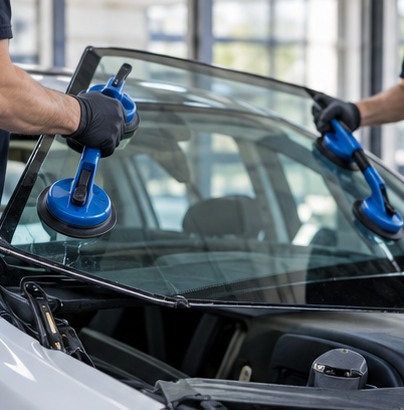
Tell us your vehicle’s year, make and model, and mention any cameras, sensors or heated areas near the glass. We match the replacement windshield to your vehicle, remove the damaged glass, prepare the frame and install the new windshield. If your vehicle has driver-assistance cameras, we’ll let you know whether calibration is needed. We’ll also tell you how long to wait before driving so the adhesive can set.
Windshields are part of a vehicle’s safety system, so replacement should follow the procedures and product requirements that apply to the vehicle. The Auto Glass Safety Council’s replacement safety standard covers installation practices, and its guidance notes that some vehicles may require ADAS recalibration after replacement. Ask us to explain the part, procedures, and any calibration steps proposed for your vehicle.
Some chips and short cracks can still be fixed without a new windshield, so it is worth asking about windshield repair first. Rear glass is handled under rear windshield replacement. To get started, contact us or call (580) 218-2928 with your vehicle’s year, make and model.
Questions to ask about replacement
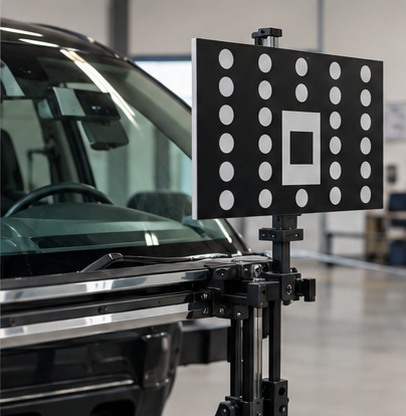
Ask how the replacement glass is matched to your vehicle, what installation procedure applies, and whether cameras, sensors, or driver-assistance equipment need inspection or calibration.
Why vehicle details matter
Windshields can vary by vehicle year, trim, options, and embedded features. Share the year, make, model, and trim if known, and mention cameras, rain sensors, or other equipment around the glass. We may ask for the VIN to confirm which replacement part matches the vehicle.
Ask about cameras and calibration
Some vehicles may require calibration of an advanced driver-assistance system after glass replacement. Ask whether your vehicle has a system that may be affected, whether calibration is needed, and who will perform and verify it. The Auto Glass Safety Council notes that ADAS requirements can apply after replacement; the specific procedure depends on the vehicle.
Understand timing and aftercare
Ask what installation steps and post-installation instructions apply to your vehicle, including any time needed before driving. Follow our guidance about the adhesive, vehicle use, and any inspection or calibration. If you have questions about the recommendation, request the details before confirming the work.
What vehicle information helps identify a windshield?
Have the year, make, and model ready. Mention cameras, sensors, or other visible features near the glass so the correct configuration can be identified.
Does every windshield replacement require camera calibration?
Requirements vary by vehicle and by the work performed. Ask which procedures apply to your vehicle and who will perform them.
When can I drive after windshield installation?
The installer should give you the safe drive-away time for the materials and conditions used. Follow that guidance for your vehicle.
Ask about windshield replacement
Share your vehicle year, make, and model, along with any cameras or sensors near the windshield.